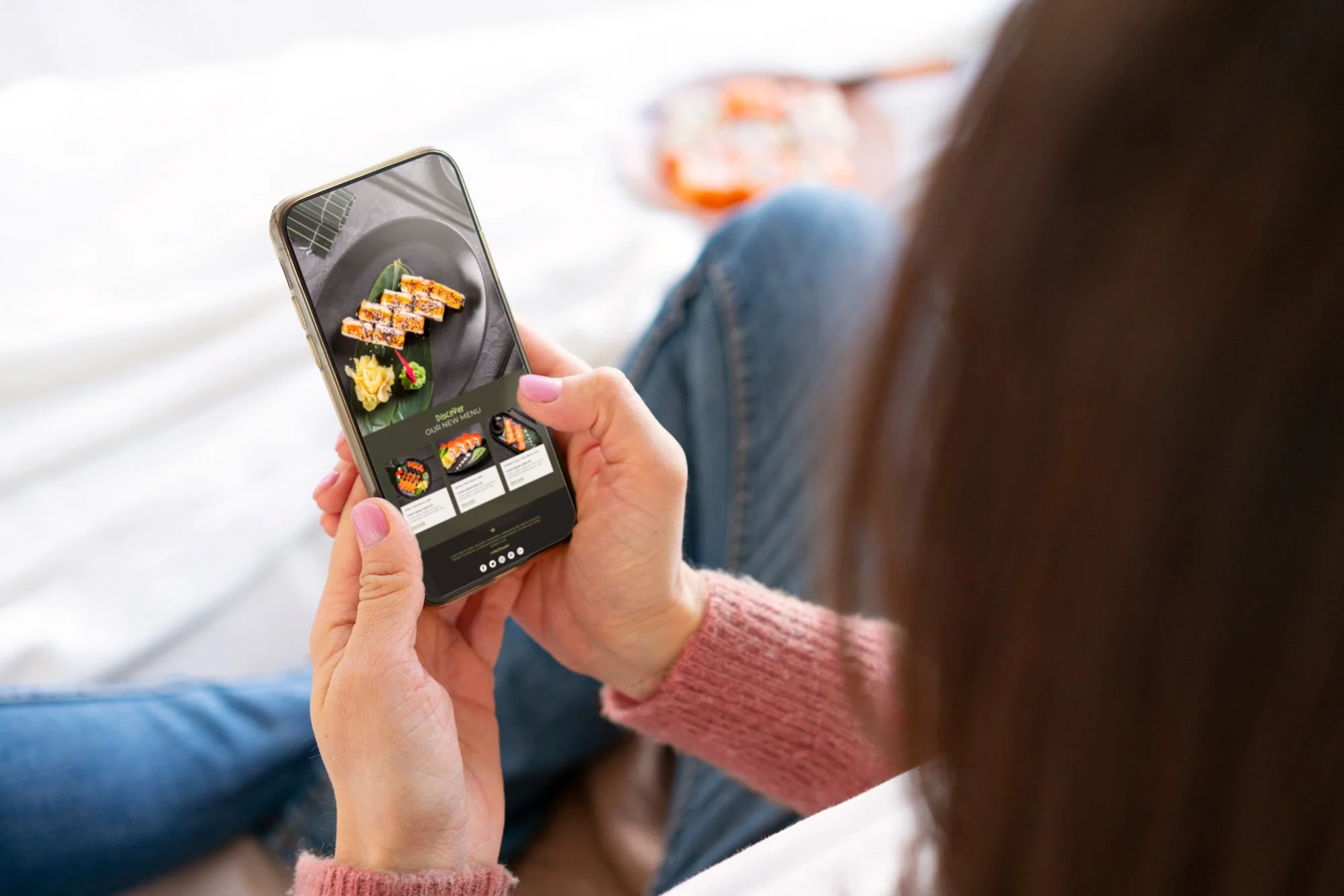
The Hidden Cost Of Instant Deliveries
Read Khushnaaz Noras’ article ‘10 minutes to your door, years off your life’ published in the Free Press Journal. It shows how easy and instant food deliveries are having an impact on the younger generation!
- Authored by Pooja Mehta
Easy deliveries may save time, but is it costing young Indians their health, focus and emotional wellbeing?
READ THE Q&As BELOW
KHUSHNAAZ NORAS, a Mumbai-based consulting psychologist, talks about the culture of instant gratification, fostered by delivery apps and on-demand services.
It promotes getting things without delay, disturbance and minimal effort. This is the exact opposite of what builds patience, resilience and the ability to manage stress.
Q - How does the culture of instant gratification, fostered by delivery apps, affect young adults’ patience, resilience, and stress levels?
A - “Instant gratification gives the mind a feeling that this is how things should be – fast, instant and time bound. Real life doesn't work that way! We are becoming a Quick Fix Generation. The mind makes this need for immediate responses, a default setting. This then leads a person to demand a similar response from people around and it leads to more chaos.”
Q - Do you see a link between constant convenience and the rise of anxiety, restlessness, or reduced coping skills in everyday life?
A - “Human beings are known to gravitate towards comfort and convenience and so this level of convenience gives rise to unrealistic expectations where real life is not going to be able to match pace with these on-the-go food apps. For instance, some clients keep tracking the delivery guy and some even order from lesser known places only to get it faster. As a result of getting used to this, the gap between reality and expectations keeps getting widened and people feel more and more dissatisfied in relationships and the world around them. So, tolerance to frustration has gone down considerably and anxiety is on the rise.”
Q - How does late-night ordering and poor sleep hygiene affect mental health, focus, and emotional stability in the long term?
A - “Late night food ordering affects the gut, the body’s circadian rhythm which our internal biological clock and serotonin – “the happy hormone” which is responsible in managing the 3 M’s Mood, Memory and Management of daily activities. So nowadays you shall see people more irritable, distracted and procrastinating daily activities.”
Q - Can dependency on instant delivery apps contribute to social isolation by reducing face-to-face interactions in daily life?
A - “Yes, it is leading to lesser face to face interactions. This happens as the apps have reduced the need for humans to venture out of the house to procure something. It is all right there at the tip of our fingers. However one must remember that over reliance on technology can lead to stunted emotional growth and awkward or hesitant interactions with peers. You may hear people say “Lets just talk over text, lets not meet today I am too tired, I don’t feel up to it”.
Q - What small behavioural changes can help young adults balance convenience with healthier, more mindful living?
A - “Do not make food your mood manager. The sole purpose of food is to give energy throughout the day and not manage your mood. Don’t use it as a reward or punishment.
Make good food choices, don’t go towards a calorie deficit and fix your sleep cycle otherwise there is a high risk of binge eating, midnight snacking, boredom eating, etc.
If you are addicted to ordering food from these apps uninstall them if possible or keep the app on someone else’s phone who can act as a moderator. Make the effort to walk/drive to the store even if its late instead of ordering stuff. Most likely you might avoid it.
If food is used to fill a void, first learn to understand the connection between food and emotions and then work on it through therapy or by practicing mindfulness.
Learn to silence the temptation of instant gratification and work towards consistency.
Move more, manage your choices better and surround yourself with people who can uplift you in your journey.”